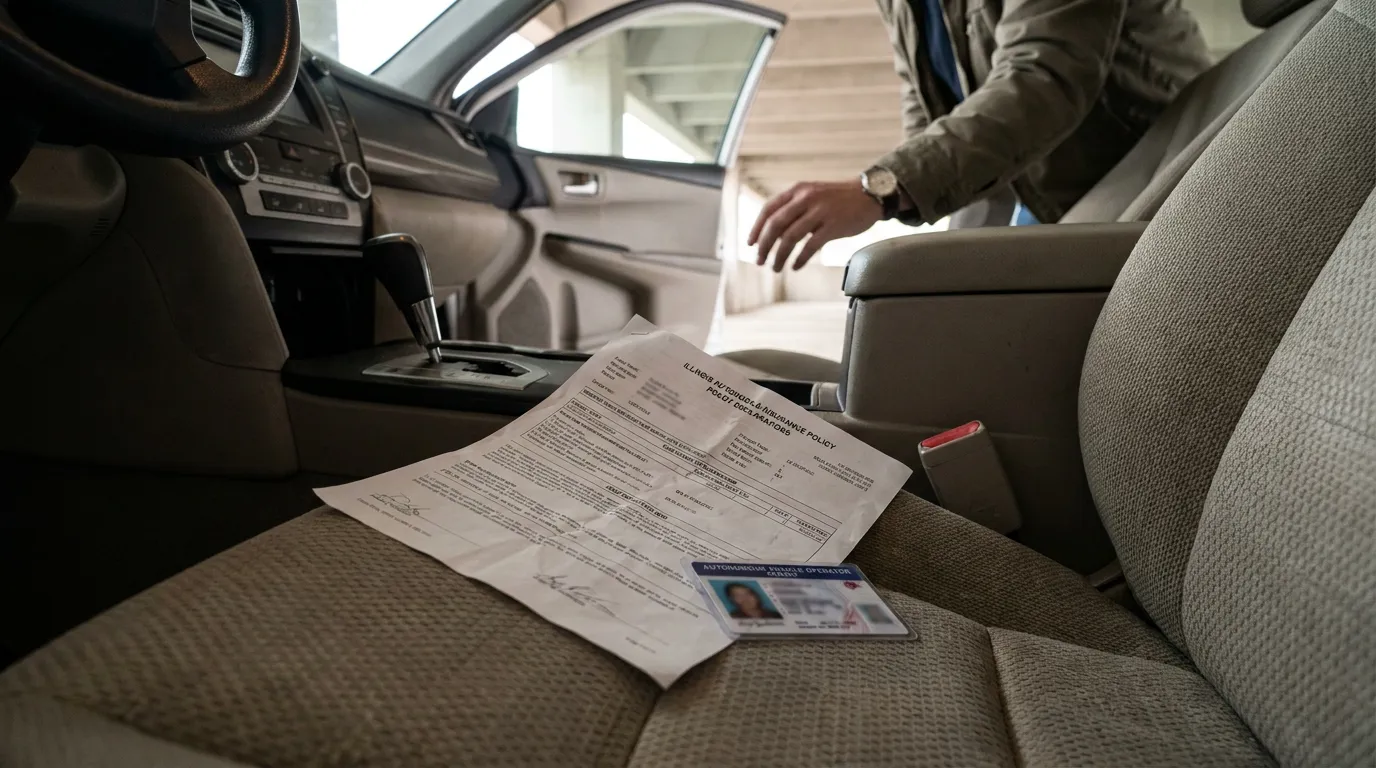
Who Is Liable for an Illinois Autopilot Car Accident Under State Law?
Understanding Fault When Driver-Assistance Technology Fails on Illinois Roads
Key Takeaways: Liability for an Illinois Autopilot car accident depends on who or what caused the crash. Because features like Autopilot provide only partial automation, the human driver must still supervise the vehicle, keeping traditional negligence principles in play. Fault may be shared among the inattentive driver, the manufacturer, another negligent motorist, or a company deploying the vehicle. Illinois uses modified comparative negligence under 735 ILCS 5/2-1116, allowing recovery only if you are 50% or less at fault, with damages reduced by your percentage. Proving fault requires preserving vehicle data, software histories, and witness accounts immediately. Strict deadlines apply, including a one-year limit for claims against local government entities.
Liability for an Illinois Autopilot car accident generally depends on who or what caused the crash, and Illinois law rarely places all blame on the technology alone. Fault may be shared among the human driver, the manufacturer of driver assistance systems, and sometimes another negligent motorist. Because Autopilot and similar features provide only partial automation, the person behind the wheel must supervise the vehicle, keeping traditional negligence principles in play.
If you were injured in a crash involving a partial automation vehicle, PAUL PADDA LAW is ready to help. Call us at 702-366-1888 or use our confidential online contact form to discuss your case. Acting early preserves critical evidence.
Why "Autopilot" Does Not Mean "No Driver Responsibility"
Marketing names like "Autopilot" create dangerous misunderstandings about how much a driver may rely on the system. Current driver assistance systems, including adaptive cruise control and lane-centering, operate at partial automation levels (SAE Level 2) that require an attentive human operator ready to take control. When a driver over-trusts the technology and a self-driving crash fault question arises, Illinois courts ask whether that driver acted reasonably.
Illinois has long recognized that negligent drivers bear responsibility for the harm they cause. In a partial automation crash, a driver relying on automation does not automatically escape accountability.
💡 Pro Tip: If a driver told you "the car was driving itself," write that statement down and note the time. Such admissions can become important when proving fault.
How Illinois Car Accident Laws Assign Fault After a Crash
Illinois car accident laws use modified comparative negligence to divide responsibility among all who contributed to a collision. Under this system, multiple parties can be assigned fault percentages, which is especially relevant when a human driver, manufacturer, and another motorist may all share blame.
The controlling statute sets a firm threshold for recovery. Under 735 ILCS 5/2-1116, an injured plaintiff may recover damages only if their contributory fault is not more than 50% of the total proximate cause. If a plaintiff exceeds 50% fault, recovery is barred entirely, making the fault analysis critically important. Review the modified comparative negligence statute text.
Even when you clear that threshold, your damages are reduced proportionally to your fault percentage. The other driver’s insurance company might only pay 80% of your damages if you were 20% responsible. In an Autopilot context, liability can be split among a driver, manufacturer, or other parties.
Who Can Be Held Liable in an Autopilot Crash
Several parties may share liability depending on the specific facts. Determining who pays requires investigating the vehicle’s data, the driver’s conduct, and whether the technology performed as designed. Responsible parties may include:
- The human operator, if they failed to supervise the vehicle or ignored warnings
- The vehicle or software manufacturer, if a defect in the driver assistance systems contributed to the crash
- Another negligent motorist whose conduct helped cause the collision
- A company deploying the vehicle, such as a rideshare operator
Illinois allocates crash liability across drivers and companies in the rideshare context. Under 625 ILCS 57/10(b)-(c), transportation network companies and drivers carry tiered insurance requirements. When logged in without an accepted ride, coverage of at least $50,000 per person, $100,000 per incident, and $25,000 for property damage applies. Primary coverage of $1,000,000 applies from ride request acceptance through completion, satisfied by insurance maintained by the driver, company, or both.
Those insurance minimums do not cap a company’s total exposure. Under 625 ILCS 57/10(e), insurance requirements do not limit a transportation network company’s liability in an action for damages above the required coverage. Illinois permits claims against the entity behind the vehicle beyond minimum policy limits when damages are severe.
💡 Pro Tip: After any crash involving automation, request preservation of the vehicle’s event data and camera footage in writing immediately. This digital evidence can disappear if not requested.
Proving Fault in a Tech-Related Car Crash
Building a strong case depends heavily on documentation and technical evidence. Because automation adds complexity, victims benefit from gathering vehicle data, maintenance records, software update histories, and witness accounts. Review our guide on what evidence is needed to prove fault in a collision.
Illinois treats comparative negligence as a civil matter resolved through negotiation or courts. If settlement cannot be reached, courts make the final determination, and disputed autopilot car accident liability claims may be decided by a judge or jury weighing the facts. Learn how comparative negligence rules work in practice.
Illinois emphasizes identifying the actual operator when assigning responsibility. Under 625 ILCS 7/25(e), an identified driver may be held liable, and questions of owner versus driver responsibility turn on whether the operator is identified through evidence. While this addresses citations rather than crash tort liability, it reflects Illinois’s theme of pinning responsibility on the actual vehicle operator.
💡 Pro Tip: Photograph every screen and dashboard indicator if safe to do so. Settings showing whether automation was engaged can be relevant to fault.
Deadlines That Can Affect Your Illinois Car Accident Claim
Illinois imposes strict filing deadlines, and missing them can permanently end your right to recover. These deadlines apply to any accident claim, including autopilot vehicles. The general statute of limitations for personal injury is two years under 735 ILCS 5/13-202, but different periods apply depending on the defendant and harm type.
Claims against government entities carry a much shorter window. Illinois Legal Aid Online notes that for Local Public Entities the deadline is 1 year under 745 ILCS 10/8-101. Courts interpret exceptions such as tolling or the discovery rule narrowly, so confirm your deadline with an Illinois car accident lawyer promptly.
| Type of Claim | General Deadline Concept |
|---|---|
| Standard personal injury claim | A defined statutory period governs filing |
| Claim against a local public entity | A shorter one-year window may apply |
| Property damage claim | A separate statutory period may apply |
Frequently Asked Questions
1. Can I still recover if I was partly at fault in an Autopilot crash?
In many cases, yes, provided your fault does not exceed the statutory threshold. Under 735 ILCS 5/2-1116, you may recover if you are 50% or less at fault, though your award is reduced proportionally.
2. Is the driver or the manufacturer liable for a partial automation crash?
Liability can fall on either or both, depending on the facts. A driver who fails to supervise may be negligent, while a defect in driver assistance systems could support a manufacturer claim.
3. Does rideshare insurance apply if the crash happened during a ride?
It may, because Illinois requires tiered coverage for transportation network drivers. Under 625 ILCS 57/10(b)-(c), higher primary coverage applies once a ride request is accepted.
4. How long do I have to file an Illinois car accident lawsuit?
Deadlines vary based on who you are suing. The general personal injury deadline is two years, while claims against local government entities carry a one-year limit.
5. What should I do first after an autonomous vehicle injury?
Seek medical care, then preserve evidence. Vehicle data and witness statements often make the difference in an autonomous vehicle injury claim.
Protecting Your Rights After a Partial Automation Collision
Determining liability for an Illinois Autopilot car accident requires careful analysis of who failed to act reasonably and how the technology performed. Because Illinois applies modified comparative negligence, fault can be divided among drivers, manufacturers, and companies, and your recovery depends on staying at or below the statutory threshold. These cases are fact-dependent, and claim strength often turns on evidence gathered immediately after the crash.
If you were hurt in a tech-related car crash, PAUL PADDA LAW is here to help you pursue rightful compensation. Call us at 702-366-1888 or request your free consultation online to learn how Illinois law applies to your situation.