
What Should a Pedestrian Do After Being Hit by a Car in Chicago?
Steps to Take After Being Hit by a Car as a Pedestrian in Chicago
Being struck by a vehicle as a pedestrian can leave you disoriented, in pain, and unsure of what to do next. Every year, thousands of pedestrians suffer serious injuries or lose their lives in traffic collisions. In 2023, Illinois recorded over 200 pedestrian fatalities, while nationally over 7,300 pedestrians were killed. If you’ve been injured as a pedestrian in Chicago, the actions you take following the crash can significantly impact your ability to recover compensation. This guide walks you through the critical steps, your legal rights under Illinois law, and how to protect your claim.
If you need immediate guidance after a pedestrian accident, PAUL PADDA LAW is ready to help. Call 702-366-1888 or reach out online to discuss your situation.
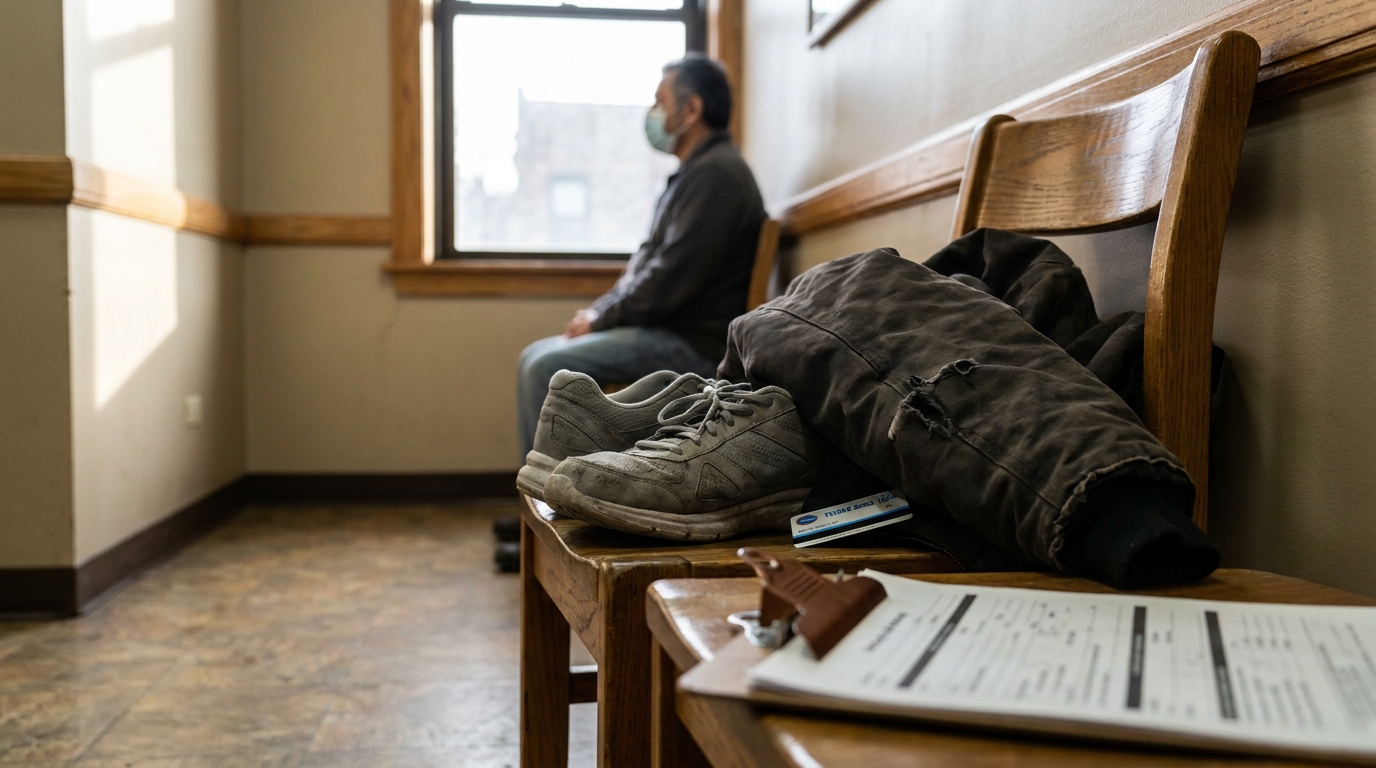
Immediate Actions at the Scene of a Pedestrian Accident
Your health and safety should be your first priority after being hit by a car. Even if injuries seem minor, adrenaline can mask pain, and conditions like traumatic brain injuries or internal bleeding may not present symptoms immediately. Call 911 so that police and emergency medical services respond to the scene.
While you wait for help, gather as much information as possible. Get the driver’s name, insurance details, and license plate number. If witnesses are nearby, ask for their contact information. Use your phone to photograph the scene, including vehicle damage, traffic signals, crosswalk markings, and your injuries. A police report creates an official record that can support your claim later. For additional post-crash steps, our complete 2026 legal guide covers details that apply to pedestrian cases.
💡 Pro Tip: Do not give the driver’s insurance company a recorded statement before speaking with an attorney. Insurers often use early statements to minimize or deny your claim.
Illinois Pedestrian Rights and Driver Duties Under the Law
Illinois law provides strong protections for pedestrians, placing clear duties on drivers to watch for and yield to people on foot. Under 625 ILCS 5/11-1002(a), drivers must stop and yield the right-of-way to a pedestrian crossing within a crosswalk when traffic signals are not in place or not operating. The Illinois Department of Transportation reinforces that drivers and pedestrians both share responsibility for traffic safety.
Drivers face additional obligations beyond simply yielding at crosswalks. Under 625 ILCS 5/11-1003.1, every driver must exercise due care to avoid colliding with any pedestrian, regardless of other provisions in the vehicle code. Illinois law also prohibits drivers from overtaking and passing a vehicle stopped at a crosswalk to allow a pedestrian to cross, per 625 ILCS 5/11-1002(d). These protections give injured pedestrians a strong legal foundation when pursuing a claim.
| Driver Duty | Illinois Statute |
|---|---|
| Stop and yield to pedestrians in crosswalks | 625 ILCS 5/11-1002(a) |
| Exercise due care to avoid colliding with any pedestrian | 625 ILCS 5/11-1003.1 |
| Do not pass a vehicle stopped for a pedestrian at a crosswalk | 625 ILCS 5/11-1002(d) |
| Do not drive unnecessarily close to pedestrians | IDOT safety guidelines |
💡 Pro Tip: You do not need to be in a marked crosswalk to have legal rights as a pedestrian. Drivers owe a duty of care to avoid hitting pedestrians in many situations, including unmarked crosswalks and when making turns at intersections.
How Comparative Fault Can Affect Your Pedestrian Injury Claim
Illinois follows a modified comparative fault system under 735 ILCS 5/2-1116, which means the insurance company may try to argue you were partially at fault. Under 625 ILCS 5/11-1002(b), pedestrians cannot suddenly leave a curb or place of safety and walk or run into the path of a moving vehicle that is so close as to constitute an immediate hazard. If the defense shows you violated this provision, it may reduce your compensation proportionally.
However, partial fault does not necessarily bar recovery. In Illinois, you can still recover damages as long as your share of fault is 50 percent or less. If you are found more than 50 percent at fault (i.e., 51 percent or greater), you cannot recover compensation. A party found exactly 50 percent at fault may still recover, but their damages will be reduced by 50 percent. Insurance adjusters frequently exaggerate a pedestrian’s share of blame to lower settlement offers. An experienced car accident attorney in Chicago can investigate the facts, gather evidence of the driver’s negligence, and counter these tactics.
💡 Pro Tip: Dashcam footage, traffic camera recordings, and cell phone records showing the driver was distracted can be powerful evidence to reduce or eliminate allegations of pedestrian fault.
Special Rules for Children Injured as Pedestrians in Chicago
Illinois law treats pedestrian injury claims involving young children differently than those involving adults. Under the "tender years doctrine," a child under age seven is deemed incapable of negligence as a matter of law. This means a driver or insurance company generally cannot argue that a young child was comparatively at fault for darting into the street.
Parental Liability and Its Limits
Parents are not automatically liable for their children’s actions in Illinois. To prove negligent supervision, a plaintiff must show parents were aware of specific prior conduct that made the act foreseeable and that parents had the opportunity to control the child. As one Illinois appellate court opinion illustrates, courts have dismissed claims where these elements were not sufficiently alleged. For families of injured children, these doctrines can strengthen a pedestrian injury claim by preventing blame shifting to the child.
How IDOT Investigates Pedestrian Fatalities
When a pedestrian fatality occurs at an intersection with a state highway, Illinois law requires the Illinois Department of Transportation to conduct a traffic study. This obligation under 20 ILCS 2705/2710-210 can produce valuable evidence about dangerous road conditions, inadequate signage, or poor intersection design that may support a wrongful death claim.
💡 Pro Tip: If you were hit at an intersection you believe is poorly designed or lacks adequate pedestrian signals, document the conditions thoroughly. Municipal or state entities may share liability for failing to maintain safe roadways.
What Compensation May Be Available for an Injured Pedestrian in Chicago
Pedestrian accident victims in Chicago may be entitled to several categories of damages depending on injury severity. These can include:
- Medical expenses, including emergency care, surgery, rehabilitation, and future treatment
- Lost wages and diminished earning capacity if injuries prevent you from returning to work
- Pain and suffering, emotional distress, and loss of enjoyment of life
- Property damage, such as personal electronics or other belongings destroyed in the crash
The value of a pedestrian accident claim depends on specific facts. Factors such as injury extent, clarity of the driver’s negligence, available insurance coverage, and whether you share any comparative fault all play a role. Consulting with an attorney early helps you understand the realistic range of recovery.
Building a Strong Car Accident Attorney in Chicago Case for Pedestrian Injuries
A successful pedestrian injury claim requires clear evidence of the driver’s negligence, well-documented injuries, and a strategic approach to negotiation or litigation. Keep every medical record, bill, and receipt related to your treatment. Maintain a journal documenting your pain levels, limitations, and emotional state after the crash.
Your attorney can obtain police reports, subpoena surveillance footage, retain accident reconstruction professionals, and depose witnesses to build a compelling case. Illinois’s legal framework requires establishing that the driver breached a duty of care and that the breach caused your injuries. The sooner you involve legal counsel, the better your chances of preserving critical evidence before it disappears.
💡 Pro Tip: Many crucial pieces of evidence, such as traffic camera footage and electronic vehicle data, can be overwritten or deleted within days. Acting quickly to preserve this evidence can make or break your case.
Frequently Asked Questions
1. Can I file a claim if I was jaywalking when a car hit me in Chicago?
Yes, you may still have a valid claim. Illinois’s comparative fault rules allow you to recover damages even if partially at fault, as long as your share of fault is 50 percent or less. The driver still owes a duty of due care under 625 ILCS 5/11-1003.1 regardless of where you were crossing.
2. How long do I have to file a pedestrian injury lawsuit in Illinois?
Illinois generally imposes a two-year statute of limitations for personal injury claims under 735 ILCS 5/13-202. However, exceptions may apply depending on circumstances, such as when a minor is involved or a government entity is a party. Claims against government entities typically require notice within one year or less under the Local Governmental and Governmental Employees Tort Immunity Act. Consult an attorney promptly to protect your rights.
3. What if the driver who hit me was uninsured?
You may still have options for recovering compensation. Your own auto insurance policy’s uninsured motorist coverage, if applicable, may provide benefits. An attorney can evaluate all available sources of recovery based on your specific situation.
4. Does it matter whether I was in a crosswalk when I was hit?
Being in a crosswalk strengthens your case, but it is not the only path to recovery. Drivers must exercise due care to avoid hitting pedestrians in all circumstances under Illinois law. However, crossing outside a crosswalk may give the defense arguments for comparative fault.
5. What should I do if the insurance company offers a quick settlement?
Be cautious before accepting any early settlement offer. Insurance companies often extend quick offers before the full extent of your injuries is known. Once you accept a settlement, you generally cannot seek additional compensation, even if your condition worsens.
Protecting Your Rights After a Chicago Pedestrian Accident
The aftermath of a pedestrian accident in Chicago can feel overwhelming, but you do not have to navigate it alone. Illinois law provides meaningful protections for pedestrians, from crosswalk right-of-way rules to the duty of due care every driver owes. Taking the right steps early, including documenting the scene, seeking medical treatment, and consulting with an attorney, positions you to pursue the compensation you may deserve.
If you were injured as a pedestrian in Chicago, PAUL PADDA LAW can help you understand your options and fight for fair compensation. Call 702-366-1888 or contact us today to schedule a free consultation.