
What Is Nursing Home Neglect Under Illinois Law?
Understanding Your Rights When a Loved One Is Harmed in a Care Facility
Key Takeaways: Nursing home neglect under Illinois law is a long term care facility’s failure to provide adequate care that results in physical or mental injury to a resident or deterioration of their condition. Illinois treats neglect (failure to act) and abuse (affirmative harm) as distinct legal concepts under the Abused and Neglected Long Term Care Facility Residents Reporting Act. The Nursing Home Care Act establishes enforceable protections, including the right to be free from abuse. A wide range of professionals must report suspected abuse or neglect, with good-faith reporters receiving immunity and confidentiality. These protections extend to in-home care through statutes like the Adult Protective Services Act. Families in Cook County should act early and document carefully to protect both their loved one and any potential claim.
Nursing home neglect under Illinois law means a facility’s failure to provide adequate care that results in harm to a resident. When you place a loved one in a long term care facility, you trust that staff will meet basic standards of safety and dignity. Illinois law provides a clear statutory definition: neglect means a failure by a long term care facility to provide adequate medical or personal care, where that failure results in physical or mental injury or deterioration of a resident’s condition. This article explains what that definition means in practice and the steps families in Cook County can consider.
If you suspect a loved one has been harmed, the team at PAUL PADDA LAW is ready to listen. Call us at 702-366-1888 or reach out through our confidential case review form to discuss your concerns. Acting early helps protect both your loved one and the evidence that may support a claim.
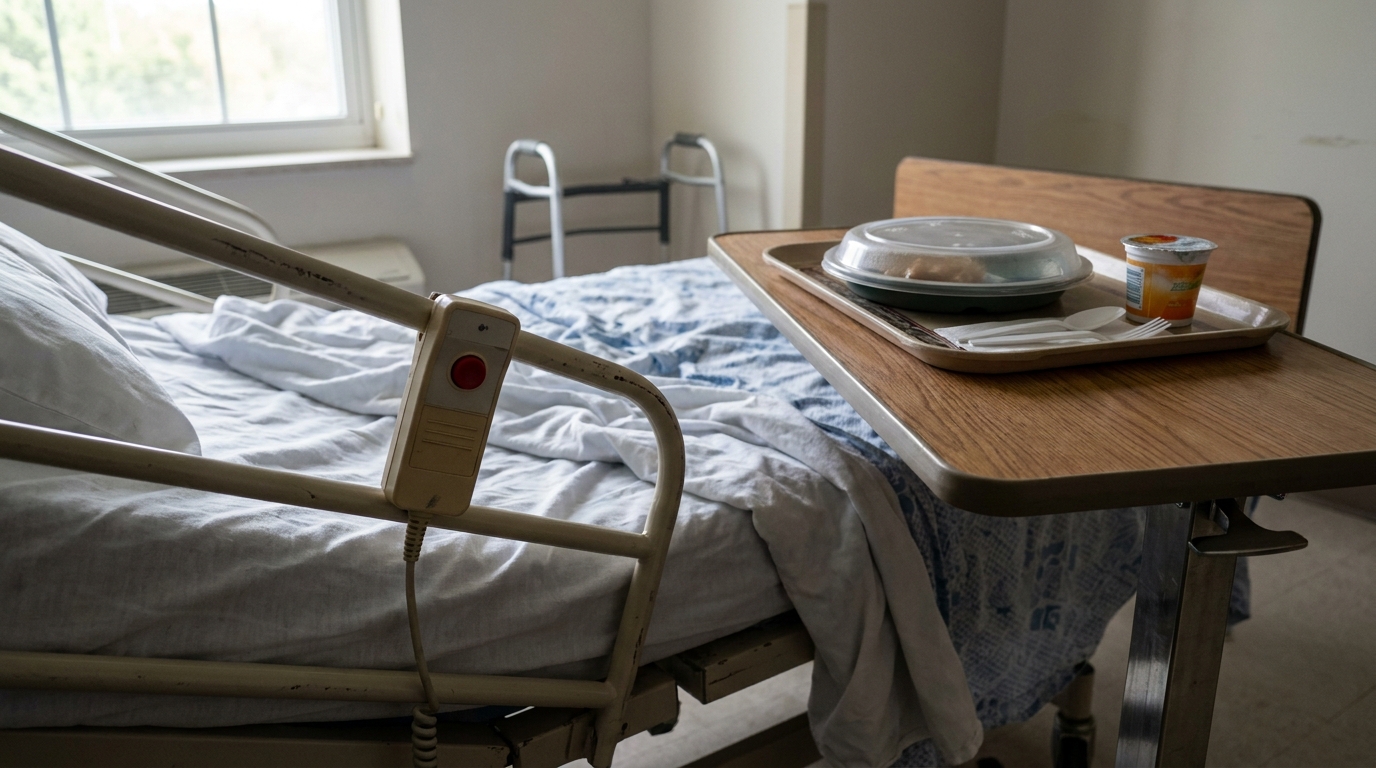
How Illinois Defines Neglect and Abuse in Care Facilities
Illinois treats neglect and abuse as two distinct legal concepts, and understanding both matters when evaluating a potential claim. Neglect involves a failure to provide care, while abuse involves an affirmative act of harm. Illinois law defines abuse as any physical injury, sexual abuse, or mental injury inflicted on a resident other than by accidental means. These definitions come from the Abused and Neglected Long Term Care Facility Residents Reporting Act, codified at 210 ILCS 30/3.
The distinction shapes how a case is investigated and proven. A neglect claim focuses on what staff failed to do, such as ignoring pressure sores, while an abuse claim focuses on a harmful act. You can review the statutory language through the Illinois General Assembly’s published version of the Reporting Act provisions. Whether a situation amounts to neglect, abuse, or both is fact-dependent and often requires medical records and professional review.
💡 Pro Tip: Keep a dated log of visits, observed conditions, and staff conversations. Contemporaneous notes can become valuable evidence later.
The Nursing Home Care Act and the Resident’s Bill of Rights
The Illinois Nursing Home Care Act is the backbone of resident protections in this state. The Nursing Home Care Act, 210 ILCS 45/1 et seq., was adopted amid concern over reports of inadequate and degrading treatment of nursing home patients. Lawmakers responded by creating enforceable standards for facilities operating in Illinois.
A central feature gives residents a defined set of protections. A principal component is the residents’ bill of rights, guaranteeing certain protections, including the right to be free from abuse. These rights are not abstract promises, they can support civil claims when a facility falls short.
Because nursing home neglect can overlap with medical negligence, these cases often raise medical malpractice questions in Illinois. Proving that a facility or provider deviated from the applicable standard of care generally requires medical records, qualified reviewers, and attention to procedural rules. Our overview for a nursing home neglect lawyer Chicago families rely on explains the firm’s approach to standard-of-care cases.
Recognizing the Forms Neglect and Elder Harm Can Take
Neglect rarely looks the same in every case, which is why recognizing warning signs early is important. Illinois law sweeps broadly when describing conduct that harms older adults. Under Illinois law, abuse of seniors includes causing physical, mental, or sexual harm; financial exploitation; abandonment; and placing the person in a harmful environment.
Common indicators that may warrant a closer look include:
- Unexplained bruises, fractures, or repeated falls
- Bedsores, poor hygiene, or sudden weight loss suggesting inadequate care
- Withdrawal, fear, or unexplained changes in mood
- Missing medication, unsanitary conditions, or unsafe surroundings
Illinois also recognizes that harm can come from sources beyond facility staff. Under the Illinois Domestic Violence Act, 750 ILCS 60, protections extend to vulnerable adults. The definition of abuse includes physical abuse, harassment, intimidation, interference with personal liberty, and deprivation of basic needs such as medicine or food. Self-neglect, defined as an eligible adult’s inability, due to physical or mental impairments or diminished capacity, to perform essential self-care tasks, is addressed under the Adult Protective Services Act (320 ILCS 20) and related Illinois APS regulations.
💡 Pro Tip: Photograph visible injuries and concerning conditions with date stamps. Visual documentation can corroborate medical records during an investigation.
Reporting Obligations and Protections for Whistleblowers
Illinois places mandatory reporting duties on a wide range of professionals who encounter vulnerable residents. Under 210 ILCS 30/4, any long term care facility administrator, employee, physician, registered nurse, social worker, or law enforcement officer having reasonable cause to believe a resident has been subjected to abuse or neglect must immediately report to the Department. Failure to comply is a Class A misdemeanor.
The law offers meaningful protection against retaliation. Someone who makes a report believing it is in the senior’s best interest is immune from legal liability and professional disciplinary action, and their identity cannot be disclosed unless they consent or a court order requires it. Reports can also be made anonymously. For residents in nursing facilities, complaints can be directed to the Department of Public Health’s Nursing Home Complaint Hotline at (800) 252-4343.
An administrative complaint is separate from a civil lawsuit. Filing with a state agency may trigger an investigation, but it does not, by itself, secure compensation. The two tracks can proceed independently, and pursuing one does not necessarily preserve your rights under the other.
| Type of Action | Primary Purpose | Where It Goes |
|---|---|---|
| Mandatory report | Trigger investigation of suspected harm | Illinois Department on Aging or IDPH |
| Hotline complaint | Flag facility conditions | IDPH Nursing Home Hotline |
| Civil lawsuit | Seek compensation for injury | Cook County Circuit Court |
When Neglect Protections Extend Beyond the Facility
Illinois recognizes that nursing-level care does not always happen inside a facility, and its protections follow the resident. Under Illinois law, home nursing agencies licensed in the state must comply with rules requiring the reporting of any known or suspected incidents of abuse, neglect, or financial exploitation of an eligible adult by any home nursing care worker they employ, under 210 ILCS 55/6.7. This matters for families whose loved ones receive care at home.
Broader statutory safety nets reinforce these duties across health care settings. The Adult Protective Services Act, 320 ILCS 20, assures that local agencies funded by the Illinois Department on Aging offer help to persons age 60 and older, and adults aged 18 to 59 with disabilities, who may be abused, neglected, abandoned, or exploited. For example, Illinois statute 410 ILCS 70 requires that every treatment hospital, treatment hospital with approved pediatric transfer, and approved pediatric health care facility include procedures in their sexual assault treatment plans for complying with mandatory reporting requirements pursuant to the Abused and Neglected Child Reporting Act, the Abused and Neglected Long Term Care Facility Residents Reporting Act, the Adult Protective Services Act, and the Criminal Identification Act; this requirement is located in Section 5(d) of the Act.
Knowing where to turn for guidance can help families act with confidence. Illinois Legal Aid offers accessible information on senior abuse protections that complements the statutes discussed here. Our guide to proving nursing home abuse in Illinois walks through practical documentation steps.
💡 Pro Tip: Request a complete copy of your loved one’s care plan and medical chart early. Records can be difficult to obtain after a dispute begins.
What a Nursing Home Neglect Lawyer Chicago Families Trust Can Help Address
A plaintiff-side attorney focuses on proving that a facility or provider deviated from the applicable standard of care and that the deviation caused harm. Illinois neglect claims can carry procedural requirements, including the affidavit and certificate-of-merit rules under 735 ILCS 5/2-622, which apply to claims for healing art malpractice and generally must be satisfied early in a case. Not every claim under the Nursing Home Care Act qualifies as healing art malpractice, so whether this requirement applies depends on the specific allegations. In cases involving residents with pre-existing vulnerabilities, understanding the eggshell plaintiff doctrine becomes particularly important when establishing causation and damages. Strict filing deadlines also apply.
Building a strong case usually depends on careful evidence preservation and qualified medical review. Records, witness accounts, photographs, and care plans can all play a role in a nursing home lawsuit Chicago families may pursue. Because outcomes depend on the specific facts, no attorney can promise a particular result.
Frequently Asked Questions
1. What is the legal difference between neglect and abuse?
Neglect involves a failure to provide adequate care that causes injury or deterioration, while abuse involves an act that inflicts harm. Many cases involve both.
2. Who is required to report suspected neglect in Illinois?
Administrators, employees, physicians, registered nurses, social workers, and law enforcement officers with reasonable cause to believe a resident was abused or neglected must report to the Department. Failure to comply is a Class A misdemeanor.
3. Can I report neglect without revealing my identity?
Yes. A person who reports in good faith is immune from legal liability and professional discipline, and their identity cannot be disclosed unless they consent or a court order requires it. Anonymous reports are permitted.
4. Does filing a state complaint replace a lawsuit?
No. An administrative complaint and a civil lawsuit are separate processes. A hotline report may prompt an investigation, but it does not recover compensation, and deadlines for civil claims continue to run independently.
5. What protections apply if care is provided at home?
Licensed home nursing agencies must follow rules requiring the reporting of suspected abuse, neglect, or financial exploitation by any home nursing care worker they employ or place.
Protecting the People Who Cared for You
Illinois law gives families real tools to respond when a loved one is harmed in a care setting. From the statutory definitions of neglect and abuse, to the resident’s bill of rights, to mandatory reporting duties, the framework is designed to hold facilities accountable. Whether harm occurs in a residential facility or through in-home care, the elder neglect Illinois protections discussed here reflect a strong commitment to dignity and safety. Early action and careful documentation generally matter most.
If you believe a family member suffered harm, PAUL PADDA LAW is prepared to review your concerns with compassion and care. Call us at 702-366-1888 or send a message through our secure contact page to take the first step toward answers. You do not have to navigate the nursing home care act in Illinois alone.