
Navigating Rideshare vs. Tourist Collisions on the Las Vegas Strip
Millions of visitors flock to Las Vegas every single year to experience world-class entertainment and dining. The Strip is the vibrant heart of the city, but its constant activity creates a uniquely chaotic environment for drivers. Rideshare services are the primary way tourists navigate the Boulevard, weaving through heavy traffic, crowded pedestrian walkways, and massive hotel pickup zones. This high volume of congested and often distracted driving frequently leads to serious rideshare versus tourist collisions on the Las Vegas Strip.
We understand that being involved in a crash while traveling is a frightening experience. When the dust settles, you are left dealing with a complicated matrix of local laws, massive corporate insurance policies, and out-of-state medical logistics. Navigating this landscape requires clear guidance and competent legal support to ensure your rights are fully protected.
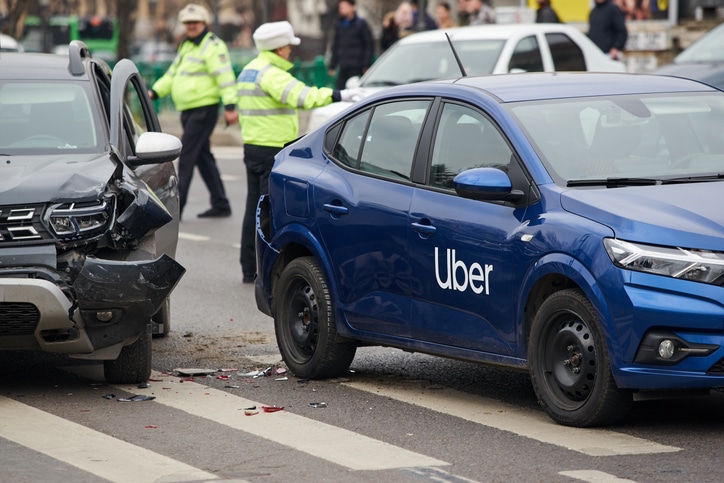
The Consequences of a Rideshare Crash on Vacation
A sudden crash can instantly turn a highly anticipated vacation into an incredibly stressful ordeal. If you are injured as a passenger in a rideshare vehicle or struck as a pedestrian near a casino resort, the physical pain is only the beginning. Tourists face a daunting set of logistical and financial consequences when they are hurt far from home. Out-of-state medical bills begin piling up before you even have a chance to board your flight back home.
The financial burden extends well beyond the emergency room visit. Out-of-network hospital visits in Nevada can result in massive out-of-pocket expenses that your primary health insurance might hesitate to cover initially. Furthermore, you may be forced to extend your hotel stay, rebook expensive flights, and miss scheduled days of work back home.
The shock of the collision is compounded by the stress of coordinating your ongoing care across state lines. This reality can feel paralyzing when you are simply trying to heal and return to your normal life. However, there are established legal mechanisms designed specifically to hold rideshare companies accountable for the damages their drivers cause.
The Legal Process: Understanding Rideshare Insurance Tiers
Recovering compensation after an Uber or Lyft accident is vastly different from a standard car crash. The legal process hinges on a highly specific system of insurance tiers dictated by Nevada state law. Rideshare companies do not treat their drivers as traditional employees. Because drivers are classified as independent contractors, the rideshare corporation will often try to distance itself from direct liability for the crash.
Under Nevada Revised Statutes Chapter 706A, rideshare companies are mandated to provide specific amounts of commercial insurance coverage. However, the amount of coverage available to victims depends entirely on exactly what the driver was doing on the rideshare application at the precise moment of the collision. We systematically investigate the digital footprint of the ride to determine which tier of coverage applies.
Period 1: The App Is on, but No Ride Is Accepted
If a driver is logged into the rideshare application and waiting for a ride request, the company provides a preliminary tier of liability coverage. Nevada law requires minimum limits of $50,000 per person for bodily injury, $100,000 per accident, and $25,000 for property damage. While this is significantly better than standard state minimum auto insurance, it may not be enough to cover the costs of catastrophic injuries or prolonged hospital stays.
Periods 2 and 3: En Route and Passenger in Vehicle
The insurance picture changes dramatically the second a driver accepts a formal ride request. From the moment they are actively en route to pick up a passenger until the moment the tourist fully exits the vehicle at their destination, a robust $1.5 million commercial liability policy kicks in. This high limit is strictly designed to protect passengers and pedestrians from severe damage that can occur on heavily trafficked roads like the Las Vegas Strip.
Defense Options Against Corporate Rideshare Tactics
When a $1.5 million commercial policy is on the line, rideshare companies aggressively defend their financial interests. Their corporate insurance adjusters move incredibly fast to minimize payouts. They might try to blame the tourist for not wearing a seatbelt, or they may argue that the driver’s personal auto insurance should be forced to cover the damages instead.
We protect your rights by immediately demanding the digital evidence held by the rideshare corporation. GPS data, application logs, and driver history records are critical defense options to prove exactly which insurance tier applies to your injury claim. We carefully preserve this fleeting evidence before it can be deleted or overwritten by the company’s internal systems.
Additionally, we handle complex coordination between the rideshare company, the driver’s personal auto insurance provider, and any third-party drivers who may have contributed to the crash. By thoroughly identifying every single liable party, we build a comprehensive strategy to secure the maximum possible recovery for your injuries and travel disruptions.
Frequently Asked Questions About Vegas Rideshare Crashes
Can I go home to receive my medical treatment?
Yes. Once you are stabilized and medically cleared to travel by a local Nevada doctor, you should absolutely return home to continue your care. We routinely coordinate with out-of-state medical providers to ensure your ongoing treatment records seamlessly support your Nevada injury claim.
Who pays my medical bills if the rideshare driver was at fault?
The at-fault driver’s insurance or the rideshare company’s commercial policy is ultimately responsible for your medical bills related to your injuries. Your own health insurance may cover the initial emergency room costs while your claim is pending, and they will be properly reimbursed from your final settlement.
Will I have to return to Las Vegas for court?
In the vast majority of personal injury cases, you will not need to return to Nevada. Most rideshare claims are successfully negotiated and settled outside the courtroom. If litigation becomes necessary, much of the legal process can be handled remotely or via video deposition.
Getting hurt on vacation is incredibly overwhelming, and battling a massive rideshare corporation should not be your responsibility. You deserve steady guidance, respect, and clear answers so you can focus on getting your life back to normal. If you were injured in a collision on the Strip, please reach out to Paul Padda Law at 702-707-7000. We are here to listen and help you explore your options whenever you are ready.
What Tourists Should Do Next After a Strip Collision
The moments following a Strip collision are critical for both your physical recovery and your legal well-being. Always call 911 so the Las Vegas Metropolitan Police Department can secure the chaotic scene and draft an official accident report. Seek comprehensive medical attention at a local hospital or urgent care clinic immediately, even if your injuries feel minor in the adrenaline rush of the moment.
Take clear screenshots of your rideshare application showing your active trip details, the driver’s profile information, and the final receipt. If you are physically able to safely do so, photograph the vehicle damage, the license plates, and the surrounding scene on the Strip. You should also formally report the crash through the safety portal within the Uber or Lyft application.
Most importantly, do not give a recorded statement to the rideshare company’s corporate insurance adjuster. They are highly trained negotiators looking for any reason to reduce the financial value of your claim. Let a skilled legal team handle all communications with the corporate adjusters so you can focus entirely on traveling home and healing properly.