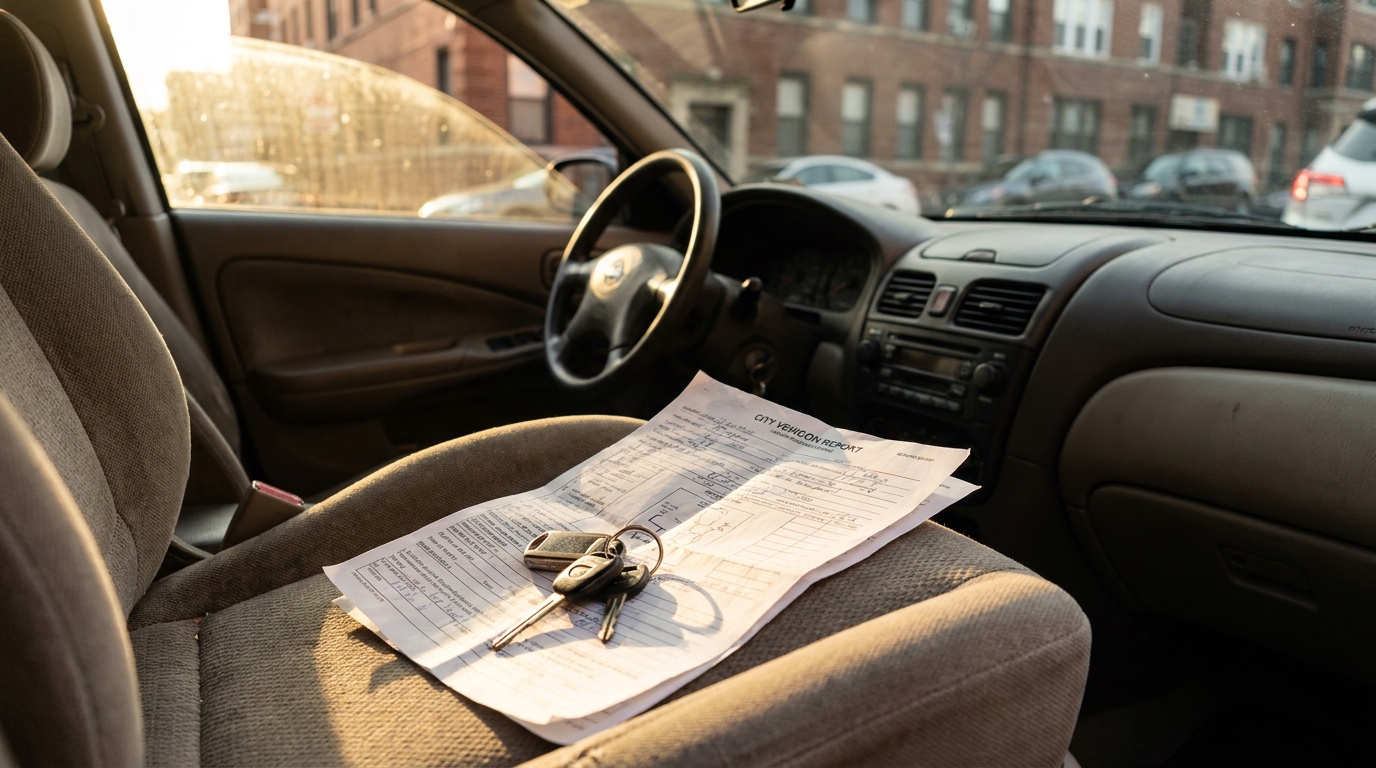
More Than 112,000 Crashes Hit Chicago in 2024: Know the Next Steps
Chicago’s 2024 Crash Surge: What Every Injured Driver Should Understand
Key Takeaways: With about 110,588 traffic crashes recorded across Chicago in 2024, injured drivers face a higher risk of disputed fault, complex insurance claims, and strict filing deadlines. After a collision, prompt medical care, thorough documentation, and an official crash report are essential first steps to protect your health and legal rights. Illinois follows a modified comparative negligence rule under 735 ILCS 5/2-1116, allowing recovery only if you are 50% or less at fault, with damages reduced by your share of fault. State law also sets minimum auto liability coverage of 25/50/20, though these limits may not fully cover serious injuries. Personal injury claims generally must be filed within 2 years and property damage claims within 5 years, so acting quickly is critical. Understanding these steps and protections can meaningfully strengthen your position when pursuing fair compensation.
About 110,588 traffic crashes were recorded across Chicago in 2024, a staggering number that underscores how common collisions remain on city streets. These Chicago car accident statistics 2024 reflect more than data points; each crash can mean injuries, medical bills, and difficult decisions. If you were hurt, knowing what to do after a car accident in Chicago can protect both your health and your legal rights. This guide walks through the practical and legal steps that generally apply under Illinois law.
If you are facing mounting medical bills or lost wages after a collision, the team at PAUL PADDA LAW is ready to help. Call 702-366-1888 for a free consultation, or reach out through our online contact page to discuss your options today.
Why the 110,588 Crashes Chicago Figure Matters
The volume of Illinois crash data 2024 reveals just how frequently drivers, passengers, and pedestrians face serious harm on Chicago roads. Behind these numbers are real people navigating recovery, insurance claims, and questions about fault. In a narrower context, the Illinois General Assembly has acknowledged a link between certain statutory liability limitations and road safety. In legislative findings under 625 ILCS 27/5, lawmakers noted that limits on rental-car renters’ liability for damage to rented vehicles have contributed to an almost three-fold increase in driver crash and fatality rates in Illinois, though that finding addresses rental-vehicle liability specifically rather than driver liability in general.
Understanding these Illinois car crash numbers helps put your own situation in context. A single collision can involve disputed fault, multiple insurers, and tight filing deadlines. Knowing how liability is assigned can be critical to pursuing fair compensation after a Chicago traffic crash report is filed.
💡 Pro Tip: Request a copy of the official crash report as soon as it becomes available. It often contains officer observations, diagrams, and citations that can support your version of events.
Immediate Car Accident Next Steps Chicago Victims Should Take
The first moments after a collision can shape the strength of your future claim. Prioritizing safety and documentation early often makes a meaningful difference. While every crash is different, the following car accident next steps Chicago victims commonly take can help preserve evidence and protect their well-being:
- Seek medical attention promptly, even if injuries seem minor, since some conditions surface later.
- Photograph vehicle damage, road conditions, and visible injuries.
- Exchange insurance and contact information with all involved drivers.
- Identify witnesses and note their contact details.
- Report the crash to law enforcement so an official record exists.
Documentation is one of the most powerful tools an injured person has. Insurers often scrutinize claims closely, and contemporaneous records can counter disputes about how a crash happened. For a deeper walkthrough of these early actions, our complete guide on what to do after a car accident in Chicago offers additional detail.
💡 Pro Tip: Avoid giving a recorded statement to the other driver’s insurer before understanding your rights. Casual remarks can sometimes be used to minimize a claim.
How Illinois Comparative Negligence Affects Your Recovery
Illinois follows a modified comparative negligence standard that directly influences how much an injured party may recover. Under 735 ILCS 5/2-1116, an injured party may recover damages only if he or she is not more than 50% at fault for the injury or damage. This statute applies broadly to actions involving bodily injury, death, or physical damage to property based on negligence, which covers most claims arising from Chicago crashes.
The rule does not stop at simply allowing or barring recovery. A plaintiff is barred from recovering damages if the trier of fact finds that the plaintiff’s contributory fault is more than 50% of the proximate cause of the injury. If the plaintiff’s fault is 50% or less, any damages allowed are generally diminished in proportion to the amount of fault attributable to that plaintiff. You can review the state’s plain-language explanation of these comparative negligence rules for additional background.
Because Illinois recognizes that more than one person can be at fault, allocating responsibility often becomes a central dispute. When the injured party and the insurance company cannot reach a settlement, the courts make the final determination of comparative negligence. Outcomes here depend heavily on the specific facts, so reasonable parties can disagree about percentages of fault.
| Plaintiff’s Degree of Fault | General Effect on Recovery |
|---|---|
| 50% or less | May recover, reduced by fault percentage |
| More than 50% | Barred from recovering damages |
Insurance Coverage and Filing a Chicago Accident Injury Claim
Illinois law sets minimum auto liability insurance requirements that shape how claims are paid. Under 625 ILCS 5/7-203, most motorists must carry minimum coverage of 25/50/20: $25,000 per person and $50,000 per accident for bodily injury, plus $20,000 for property damage. These limits can affect how much compensation is realistically available through a third party’s policy.
After a crash, you generally have options for where to file. Drivers may pursue a first-party claim with their own insurer, assuming appropriate coverage, or a third-party claim with the other driver’s insurer. Each path has practical trade-offs, and the right choice often depends on coverage, fault, and the severity of injuries involved in your Chicago accident injury claim.
If you disagree with an insurer’s determination, you are not without recourse. Consumers who dispute a decision can file a complaint with the Illinois Department of Insurance, which will contact the insurer and ask for a review. This administrative process is separate from any civil lawsuit and does not replace your right to pursue damages in court; notably, the Department cannot itself make a determination of comparative negligence, which remains a matter for the courts.
💡 Pro Tip: Keep a dedicated folder for medical records, repair estimates, and correspondence. Organized files often strengthen negotiations and reduce delays.
Filing Deadlines: Illinois Statutes of Limitations
Time limits are among the most important legal considerations after any collision. In Illinois, the statute of limitations for personal injury claims is generally 2 years under 735 ILCS 5/13-202. Missing this window can, in many cases, permanently bar a claim, which is why prompt action matters.
Property damage claims follow a different timeline. Under 735 ILCS 5/13-205, crash victims generally have 5 years to file civil actions to recover damages for injury to property, whether real or personal. You can find a helpful overview of Illinois statutes of limitations that summarizes these deadlines across claim types.
Some exceptions may extend or alter these deadlines, but courts interpret such exceptions narrowly. Tolling or discovery-based extensions do not apply automatically and depend on specific facts. These civil deadlines are also distinct from any government administrative claim deadlines, which can be shorter and follow separate rules, for example, claims against public entities may carry shorter notice or filing requirements.
Local Enforcement Tools That Can Affect Your Case
Chicago-area roads are subject to specific traffic rules, including automated enforcement systems. Near major corridors such as O’Hare International Airport, automated systems actively record and enforce certain violations under 625 ILCS 80. These recordings can sometimes serve as evidence regarding how a crash occurred.
Failing to respond to a recorded violation carries consequences. Under that framework, failure to contest liability in a timely manner can be treated as an admission of liability for the cited violation. Because these systems generate official records, they may influence both administrative penalties and related civil disputes, depending on the circumstances; however, such an administrative finding does not automatically establish fault in a separate civil injury claim.
A knowledgeable car accident attorney Chicago residents trust can help evaluate how such evidence fits into a broader claim. Outcomes always depend on the unique facts of each case.
Frequently Asked Questions
1. What to do after a car accident in Chicago if injuries seem minor?
Seek medical evaluation promptly even when injuries appear mild. Some injuries surface days later, and early records can connect your condition to the crash. Documenting the scene and reporting the collision also help preserve important evidence.
2. How long do I have to file a claim under Illinois crash data 2024 trends?
Personal injury claims generally must be filed within 2 years under 735 ILCS 5/13-202. Property damage claims generally allow up to 5 years under 735 ILCS 5/13-205. Exceptions may apply in limited circumstances, and courts construe them narrowly.
3. Can I still recover if I was partly at fault?
In many cases, yes, provided your fault is 50% or less. Under 735 ILCS 5/2-1116, recovery is reduced in proportion to your degree of fault. If your fault exceeds 50%, you are barred from recovering damages.
4. What if the insurance company denies my Chicago accident injury claim?
You may file a complaint with the Illinois Department of Insurance. The Department will contact the insurer and request a review of the determination. This step is separate from filing a civil lawsuit, and the Department cannot decide questions of comparative negligence, which are resolved by the courts.
5. Does the minimum insurance always cover my losses?
Not necessarily, because Illinois minimums under 625 ILCS 5/7-203 may be lower than actual damages. Serious injuries can exceed available policy limits. Additional coverage options, such as uninsured or underinsured motorist coverage, may apply, subject to the policies involved.
Moving Forward After a Chicago Collision
The reality behind the approximately 110,588 crashes Chicago experienced in 2024 is that injured people deserve clear information and a path forward. From preserving evidence to understanding comparative negligence and filing deadlines, each step can influence the strength of your claim. While no outcome is guaranteed, informed decisions often improve your position. Chicago road safety statistics remind us that collisions are common, but your response to one can make a meaningful difference.
If you or a loved one was injured in a crash, the dedicated team at PAUL PADDA LAW is here to listen and help you understand your rights. Call 702-366-1888 for a free, confidential consultation, or visit our secure contact form to take the next step toward recovery today.