
What to Do When You Get Rear-Ended in Las Vegas
Almost one in three car crashes involves a rear-end collision, resulting in about one million injuries and around 2,000 deaths each year throughout the United States, according to the National Transportation Safety Board (NTSB). Being involved in a rear-end collision can be a traumatic event, particularly for passengers of the vehicle in the front. Knowing what to do when you get rear-ended is the key to recovering physically, emotionally, and financially. If you have specific questions or concerns about a rear-end accident in Las Vegas, contact the experienced car accident attorney at Paul Padda Law at (312) 702-7000.
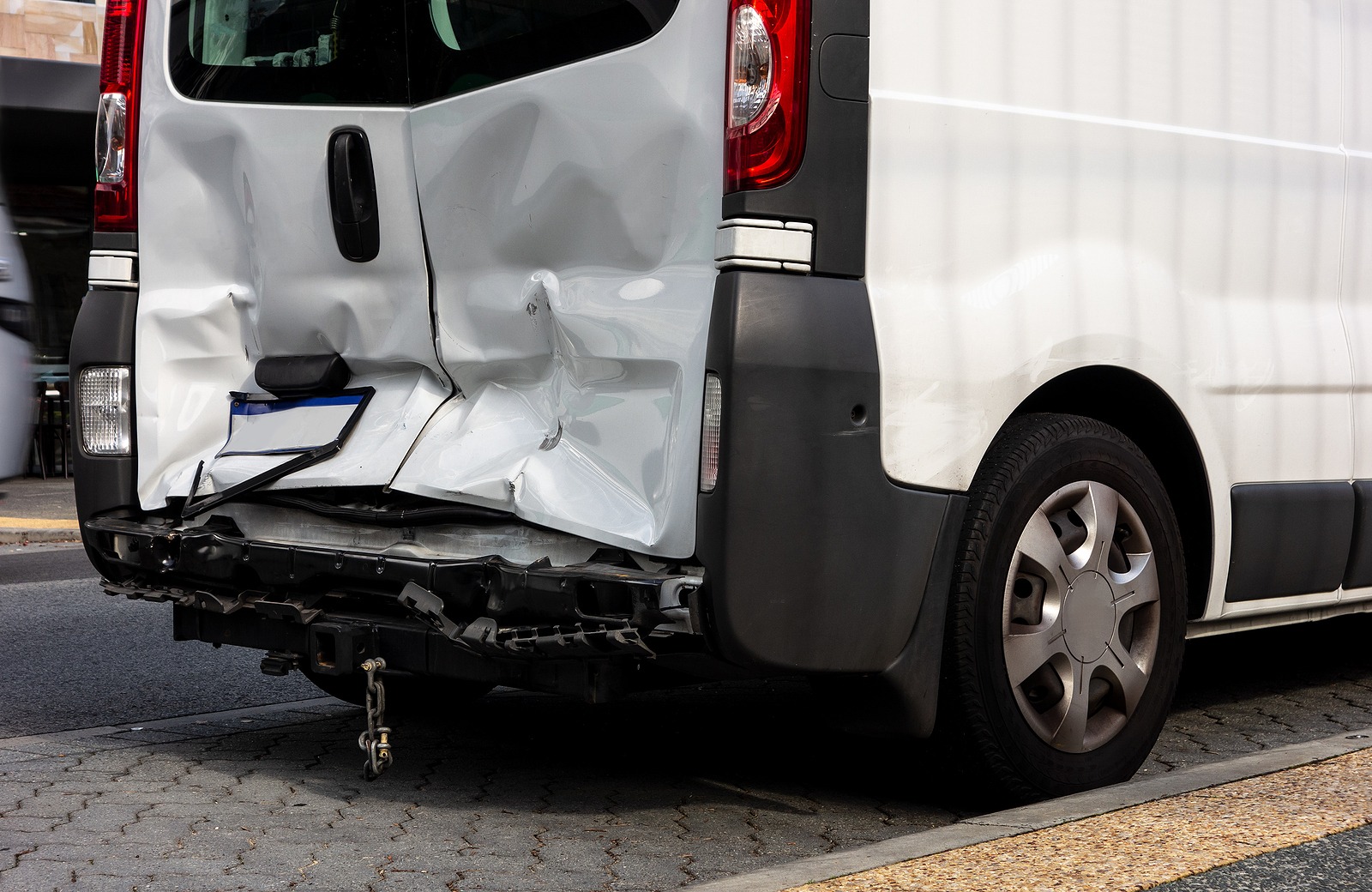
What to Do When You Get Rear-Ended: Steps to Take
Because nobody plans to be involved in a rear-end accident, people are often unsure what to do when they find themselves involved in one. Taking the right steps after a car crash, however, is crucial to protecting your rights and your ability to recover the compensation to which you may be entitled.
- Stop and Secure the Scene: Do what you can to safely secure the scene to prevent secondary accidents and injuries. Pull over to the shoulder or curb when possible.
- Call 911: Call 911 to report the accident and trigger first responders to the scene. Even if you believe the accident was not serious, you may be legally obligated to contact the police, and doing so provides a formal record documenting the collision.
- Document Damages and Injuries: If possible, take photos of the vehicles involved in the crash as well as the scene of the accident, including signage, traffic signals, and road conditions that may be relevant to the collision. If your injuries prohibit documentation at the scene, return as soon as possible to take photos.
- Get Contact Information: Get names and contact information for all drivers, passengers, and witnesses, and exchange insurance information with the other driver(s).
- Seek a Medical Evaluation: If you are not transported to the hospital from the scene of the accident, seek a thorough medical evaluation as soon as possible. Serious injuries, such as a traumatic brain injury (TBI), often fail to show symptoms immediately, but can be life-threatening. A medical evaluation can uncover hidden injuries as well as serve as evidence linking injuries to the accident.
How Do Nevada Fault Laws Apply to a Rear-End Accident?
State law determines how liability is handled in motor vehicle accidents. Some states require “no-fault” insurance that covers relatively minor injuries sustained in a car accident without the need to prove fault on the part of another party. The State of Nevada, however, is a ‘fault” state, meaning that an injured victim must prove that another party’s negligence caused or contributed to the collision to recover compensation. Proving negligence, in turn, requires you to prove the following elements:
- That the Defendant owed a duty of care to you.
- That the Defendant breached the duty of care.
- That the breach of care caused your injuries.
- That you were injured.
Courts have long held that a driver operating a vehicle on a public roadway owes a duty of care to others with whom they share the roadway. Nevada law creates a strong presumption of negligence on the part of a driver that rear-ends another vehicle; however, that presumption can be overcome. For that reason, it is always wise to thoroughly document the scene of the crash as well as any relevant circumstances and conditions.
Do I Need to Call the Police If I Am Involved in a Rear-End Collision in Nevada?
When a car accident does not immediately appear to be life-threatening, people often hesitate to contact the police. Nevada law, however, requires you to contact the police immediately or file a formal police report if someone is injured or killed in a crash as well as when property damage exceeds $750. Because it can be difficult to recognize some injuries as well as to estimate the value of damage to your vehicle in the moments following a rear-end car accident, it is usually best to call 911 or use a non-emergency number to contact the police.
Along with ensuring that first responders are dispatched to handle serious injuries, contacting the police right away guarantees that a report will be filed documenting the crash. The report should contain contact information for the parties involved in the collision as well as note whether the other driver was cited for a traffic infraction, such as following too closely or texting while driving.
Do I Need a Medical Evaluation?
Injuries sustained in a rear-end collision may not produce symptoms for hours, even days, after the accident. For this reason alone, it is imperative that you obtain a thorough medical evaluation as soon after the crash as possible. When a vehicle impacts your vehicle from behind, your head is typically thrown forward and snapped back quickly. Depending on the severity of the collision, you might suffer anything from soft-tissue or whiplash injuries to concussion or traumatic brain injury (TBI). These injuries may not immediately present symptoms but can worsen without treatment. Left untreated, concussion and TBI injuries can be life-threatening and may cause permanent damage. Submitting to a complete medical examination following a rear-end accident is the only way to ensure that all injuries are detected, diagnosed, and treated.
How to Handle an Insurance Claim
An important step to take following a rear-end accident is contacting your insurance company. An adjuster for the at-fault driver’s insurance company may also attempt to contact you within a few days after the accident. It is crucial that you refrain from making a recorded statement to the other driver’s insurance company without an attorney. To encourage you to speak to them, the representative may tell you that their insured was clearly at fault and that they “just need your statement for the file” or something along those lines. If you provide a statement, however, you could inadvertently say something that can be used by the insurance company to avoid accepting liability for your injuries. To make sure that your rights are protected, do not speak to the other driver’s insurance company without first consulting with an experienced car accident attorney.
When Do I Need to Call a Las Vegas Car Accident Lawyer?
The first time you are involved in a care accident, it can be difficult to know when you need to call a lawyer. For a true “fender-bender” with very minimal property damage and no injuries, an attorney may not be needed. For many rear-end accidents though, consulting an experienced Las Vegas car accident lawyer is advisable to make sure that your rights are protected. Red flags that indicate the need for an attorney include:
- Fault is disputed: If another driver rear-ended you, but they (or their insurance company) are not acknowledging fault, you need an attorney to litigate the issue.
- Injuries are serious or get worse: If you suffered injuries that require ongoing and/or future medical treatment, or you start experiencing symptoms hours or days after the accident, it is best to have an attorney on your side to ensure that you are fully compensated for those injuries.
- Lowball settlement offer: Insurance company tactics often include “lowball” settlement offers. They may contact you within a day or two of the accident and offer a sum of money (usually $2,000-$5,000) to settle all claims before you have time to discover the true value of your claim or they may wait until you have received treatment for your injuries and then offer you much less than what you are entitled to for all your injuries. An experienced car accident attorney will make sure you receive fair and full compensation for all your injuries.
How Paul Padda Law Can Help Rear-End Accident Victims
A Las Vegas rear-end accident can result in serious injuries, complex liability issues, and prolonged medical treatment for the victim. If you were injured in a rear-end collision, having an experienced car accident attorney from Paul Padda Law on your side is the key to ensuring that you are justly compensated for the physical injuries, emotional trauma, and financial hardship you have suffered as a result of the accident.
At Paul Padda Law, we provide comprehensive legal representation to rear-end accident victims, combining strategic negotiation, meticulous evidence collection, and strong litigation support while also making sure that you reach maximum medical recovery.
Contact an experienced car accident attorney at Paul Padda Law at (312) 702-7000 for a free consultation and to discuss your legal options.