
Navigating the Dan Ryan and I-90: Chicago Expressway Accident(s)
For residents and visitors to the “Windy City,” Chicago’s expressway system is essential, but it can also be dangerous to navigate. Routes such as the Dan Ryan and I-90 carry a high volume of traffic at high speeds through densely populated areas, creating conditions that frequently lead to serious collisions. Understanding why these crashes occur, who may be responsible, and what steps to take afterward is imperative for anyone injured in a Chicago expressway accident. If you have specific questions, contact an experienced Chicago expressway car accident lawyer at Paul Padda Law by calling (800) 712-0000 to schedule your free consultation.
Why Chicago Expressways Are Especially Dangerous
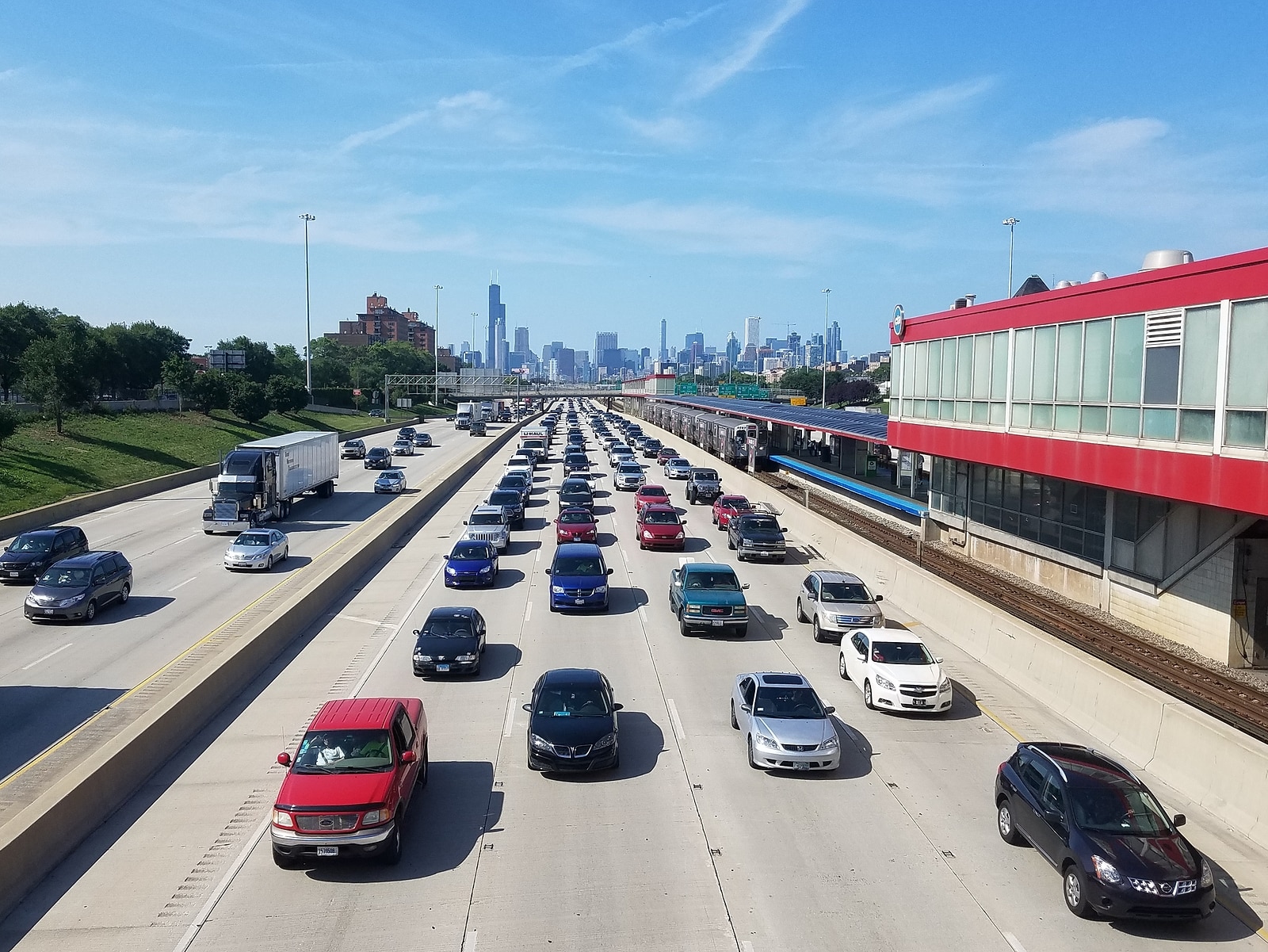
Traffic on Chicago expressways is often severely congested while also moving at highway speeds. Motorists that are late for work or anxious to get home may drive aggressively, including sudden mergers, leaving little room for error. Chicago weather can further complicate the already dangerous conditions on the expressways. Snow, ice, freezing rain, heavy downpours, and dense fog are all common in Chicago, sometimes within the same day. These weather factors can reduce visibility and traction, especially on elevated sections of expressways or in areas with strong wind gusts. In combination, these factors frequently result in crashes that cause serious injuries to the occupants of involved vehicles.
The Most Dangerous Chicago Expressways for Drivers
Several Chicago expressways are consistently associated with higher crash rates and serious injuries, including the Dan Ryan Expressway, the Kennedy Expressway, and the Eisenhower Expressway.
Heavy traffic, abrupt lane shifts, sudden slowdowns, and a history of construction projects have contributed to the dangerous reputation of the Dan Ryan Expressway (I-90/I-94) where rear-end and multi-vehicle collisions are all too common.
As a major artery connecting downtown Chicago with O’Hare International Airport, the Kennedy Expressway (I-90) presents its own challenges, including a mix of commuters, out-of-town drivers, and commercial traffic that often results in confusion and erratic driving behavior.
Also typically congested during rush hour, the Eisenhower Expressway (I-290) experiences higher crash rates because of bottlenecks, entrance and exit ramp design, and ongoing maintenance work.
Common Causes of Expressway Accidents in Chicago
While expressway accidents in Chicago can be caused by an endless number of factors, some of the most common causes include:
- Speeding and Aggressive Driving: Speeding or aggressive driving is a factor in more than one out of every three motor vehicle accidents. When a driver is exceeding the posted speed limit or driving too fast for conditions, their ability to react to potentially dangerous conditions is reduced. Aggressive lane changes or merges can trigger sideswipe or rear-end collisions.
- Distracted Driving: Distracted driving claims the lives of more than 3,000 people in an average year. On Chicago’s crowded expressways, navigation systems, mobile phones, and passengers can divert a driver’s attention at critical moments, often with devastating consequences.
- Commercial Trucks and Delivery Vehicles: Chicago expressways are full of commercial trucks and delivery vehicles, which are typically larger, heavier, and require longer stopping distances. When truck drivers are fatigued, improperly trained, or under pressure to meet delivery deadlines, the likelihood of a serious accident happening increases significantly.
- Construction Zones: The risk of a collision is always high as Chicago commuters navigate uneven pavement, reduced lanes, shifting traffic patterns, and bottlenecks along expressway construction zones.
Who Can Be Liable in a Chicago Expressway Crash?
Determining liability in an expressway accident is often complicated by the speed and scale involved along with the possibility of multiple potential defendants. In multi-vehicle crashes, liability (fault) may be shared among several parties based on the negligent conduct of each party.
The operator of a commercial vehicle, as well as their employer, may share liability if a commercial vehicle was involved in the crash. The employer could be held liable for negligent hiring, inadequate training, or unrealistic scheduling practices that encourage unsafe driving.
If poor road design, inadequate signage, or failure to maintain safe conditions contributed to the accident, a governmental entity may be held responsible, triggering special notification requirements and potentially shortening the statute of limitations deadline for initiating litigation.
Expressway Accident Injuries and High-Value Damages
Victims often suffer severe injuries in an expressway crash, such as traumatic brain injuries, spinal cord damage, complex fractures, or internal injuries requiring extensive medical intervention.
Long-term medical care, including surgeries, rehabilitation, and ongoing therapy, is often required to treat injuries sustained in an expressway accident. Victims may also suffer substantial and long-lasting financial harm because of lost earning capacity when their injuries prevent them from returning to their prior occupation.
The good news is that higher insurance limits may apply in an expressway crash if a commercial or governmental vehicle was involved in the collision. Higher limits can mean full and fair compensation for all physical injuries, emotional trauma, and financial losses.
What to Do After a Crash on the Dan Ryan or I-90
If you are involved in a crash on the Dan Ryan or I-90, safety and medical attention should always be the first priorities. If you are able, move to a safe location and contact the police to report the crash. A police report provides an official record of the incident and may include important details about contributing factors as well as contact information for drivers and witnesses.
Obtain a thorough medical examination, even if you do not think you suffered any injuries because some serious injuries, including traumatic brain injury and internal organ damage, do not always trigger immediate symptoms. As soon as you can safely do so, take photographs of the scene, including roadway conditions and damage to the vehicles.
Taking these steps as soon as possible after a Chicago expressway accident is vital to protecting your rights because evidence can disappear quickly, and roadway conditions can change rapidly. Acting quickly helps preserve information and evidence that may be crucial to your injury claim.
Why a Local Chicago Accident Lawyer Makes a Difference
Having a local Chicago expressway car accident lawyer on your side who is familiar with the Chicago Police Department, the Illinois Department of Transportation, and local crash investigation procedures is the key to a successful injury claim.
The attorneys at Paul Padda Law have extensive experience with multi-vehicle and highway liability cases, ensuring that we will identify all responsible parties and anticipate common defense strategies, such as shifting the blame to an injured victim.If you have questions about your rights as the injured victim in a Chicago expressway accident, contact a Chicago expressway car accident lawyer at Paul Padda Law by calling (800) 712-0000 to schedule your free consultation.